

If you’ve been apartment hunting in Melbourne lately, there’s a strong chance you’ve come across the term ‘build to rent’. While it’s a common term in the rental market overseas, tenants across Australia are still playing catch-up.
The apartments themselves look much like other apartments listed within the traditional market, however the real difference lies behind the operations. It’s about who owns the building, who manages your home, the lease options available and what is included in the wider resident experience.
So, is build to rent better than a traditional rental? Sometimes and for some people yes, but not for everyone. The best choice depends on the type of home you want, how long you expect to stay, which services you value and what you can comfortably afford. Here is how the two models compare in Melbourne.
Build to rent is housing designed and constructed specifically for renters. Instead of selling each apartment to a different buyer, a single organisation generally owns and operates the whole development as rental housing. Leasing, maintenance, resident services and shared spaces all sit under one roof.
A traditional rental usually works differently. The apartment, unit, townhouse or house is owned by a landlord who may manage it directly or through a real estate agency. In an apartment building, your rental provider may own only your apartment and manage it through an agency, however, the general building and shared spaces are managed by an owner's cooperation.
Build-to-rent homes are intended to remain rentals rather than being created for individual apartment sales or owned as investments. The operator's business depends on attracting renters, looking after the building and keeping homes occupied over time. It can also plan apartment operations, common areas and resident services as one connected experience.
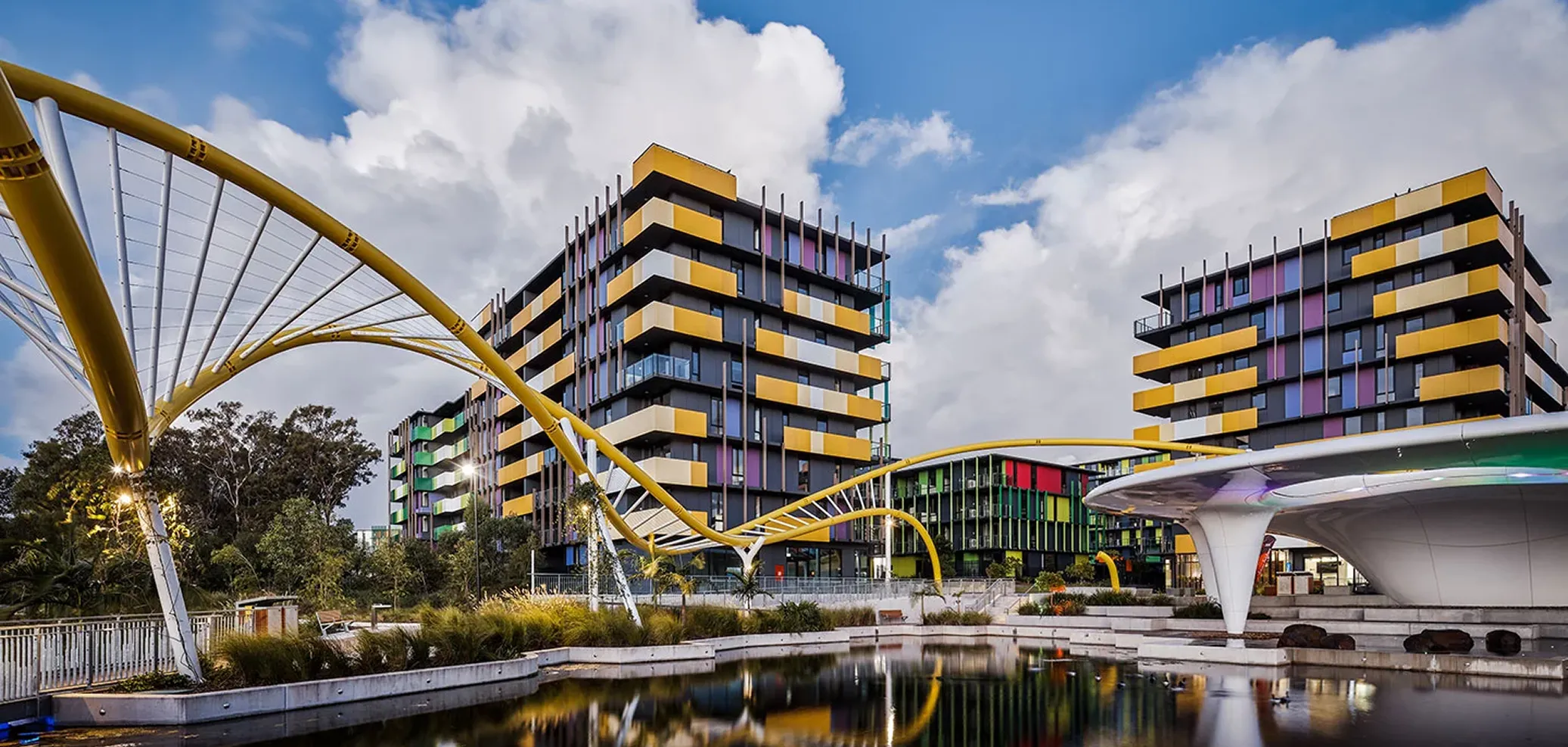
Local: Kensington is a useful Melbourne example. Its six-building, campus-style development at 348 Macaulay Road contains hundreds of apartments alongside work-from-home areas, a gym and yoga studio, outdoor pool, private dining room, cinema, creative studio and resident lounge. Local owns and operates the rental community rather than selling those apartments one by one.
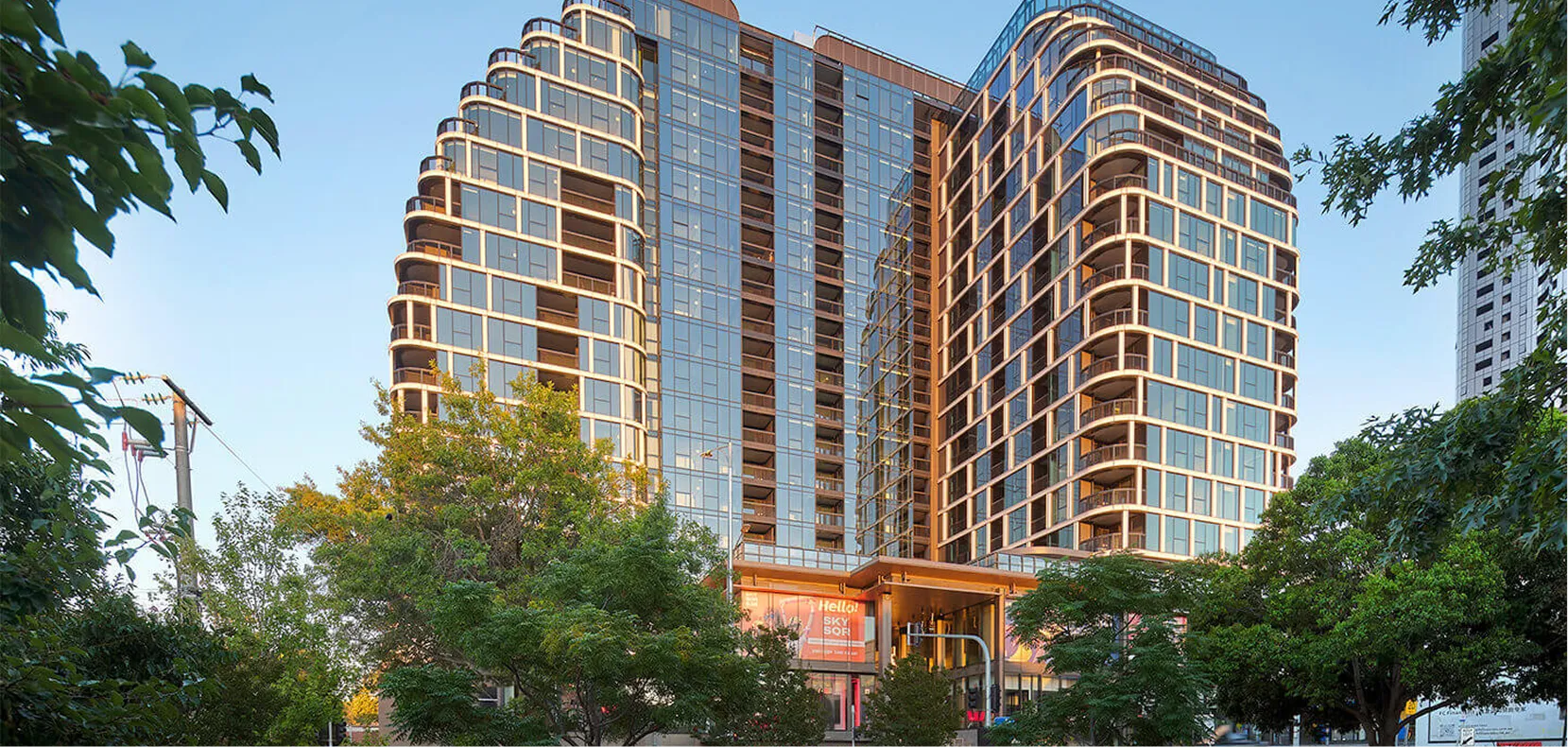
Local: South Melbourne shows how the same model can work in a larger vertical community. The apartments and an extensive collection of resident spaces are managed as part of the rental offer. The apartment is your private home while the rest of the building is designed to make daily life a little easier and entertaining thanks to its top amenities.
Of course, build to rent is still subject to Victoria's residential tenancy laws, it’s just the ownership and operating model that changes, but renters retain the rights and responsibilities that apply to their any traditional rental agreement.
Management is often the difference renters notice first.
In a build-to-rent community, one operator is responsible for the building and the homes within it. Leasing questions, maintenance requests and resident support is typically handled by a dedicated onsite team. Policies can be applied consistently across the development, and the person receiving a repair request is working within the organisation responsible for the property.
Local has an onsite support and maintenance team. What this means is that if there’s an urgent plumbing issue, for example, you don’t have to go through the property manager who then has to request the landlord to fix it. Instead, it’s handled directly by the dedicated team which can save a lot of time.
With a traditional rental, the management route depends on the property. You might deal with an owner who knows the home inside out and can handle maintenance and tenancy agreements themselves or an experienced property manager will be your go-to who has systems and professionals in place for all of their managed rental properties.
This doesn’t mean traditional property management is automatically slow or build-to-rent management automatically perfect. The difference is structural as build to rent removes the separate individual owner from the communication chain and gives the operator control across the entire building.
Before choosing either kind of rental, make sure to ask the following questions.
Traditional Melbourne rentals typically begin with a fixed-term agreement. When that term ends, the renter and rental provider can agree to either end the agreement, add another fixed term, or the agreement can continue as a periodic, month-to-month arrangement. The exact offer depends on the owner and property.
Build-to-rent operators may offer a broader choice of lease lengths because the building is meant to stay on the rental market. Local currently promotes flexible terms and lease options of up to five years, subject to availability and the agreement offered for a particular apartment. That can appeal to renters who are tired of treating every home like a temporary stop.
A longer lease option can create stability. You may feel more comfortable settling children into a nearby school, getting to know your neighbours properly or finally buying the sofa that fits the living room perfectly.
Still, longer options should not be confused with a guaranteed renewal, permanent tenure or frozen rent. Your signed rental agreement is what counts. Check its start and end dates, any rent-review method, break costs and other conditions before signing. In Victoria, rent generally cannot be increased more than once every 12 months, and the required process and notice periods apply regardless of whether the home is build to rent or traditionally owned.
Flexibility also works both ways. A five-year agreement may sound wonderfully settled, but it is a commitment. If your work, finances or household could change soon, a shorter fixed term or periodic agreement might better suit your lifestyle.
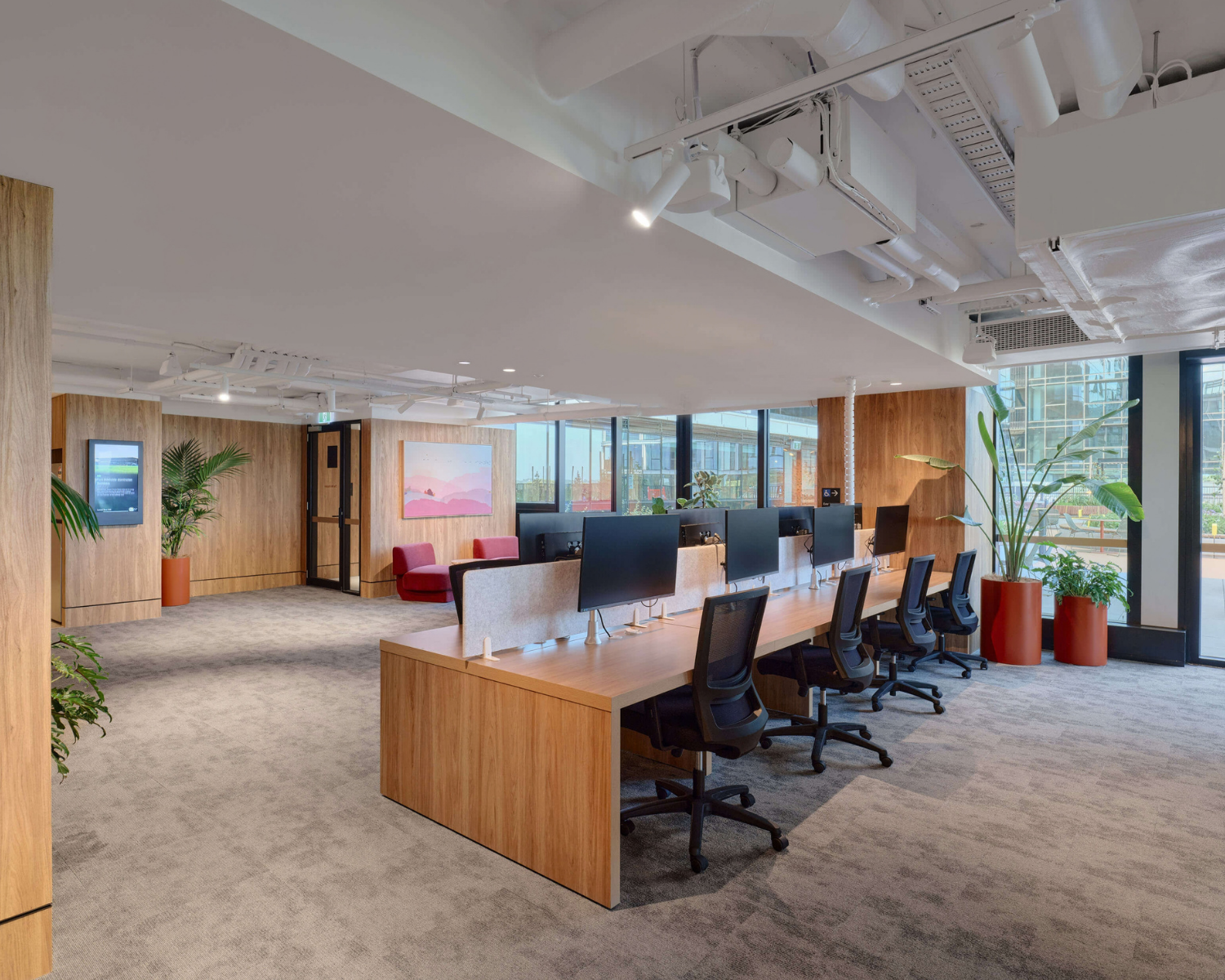
Traditional apartment buildings can have pools, gyms, gardens, lounges and barbecue terraces – Melbourne has plenty of them. The difference between build to rent is often the scale and variety of shared spaces, plus the fact that the operator manages them as an ongoing part of the rental experience.
At Local: South Melbourne, residents can move between a gym, pool, cinema, work space, resident lounge, private dining room, sauna, yoga and Pilates studio, games room and outdoor entertaining areas. There is also a bark park, parcel facilities and an onsite cafe. When used properly, that might mean taking a video call away from your kitchen table, fitting in a swim before work or hosting dinner without asking eight friends to squeeze around a bistro sized coffee table.
Local: Box Hill combines health and wellness facilities with work-from-home areas, private dining rooms, cinema and social spaces. The broader offer includes an indoor pool, coworking capacity, pet facilities, green outdoor areas and electric car share. These are not just decorative extras if they replace services you already pay for or solve an everyday problem. A coworking room can matter in a one-bedroom apartment. A pet wash becomes surprisingly persuasive the first time your dog discovers mud.
The important phrase is "if you use them". A dedicated gym may have real value to someone cancelling an external membership, but almost none to somebody who doesn’t train. A cinema is useful if you enjoy watching films, but otherwise, it is a very nice room you occasionally walk past.
Ask which amenities are included in the advertised rent, which require booking and whether any carry usage fees. Check opening hours, guest rules and how busy the spaces are when you would use them.
Community is an important part of life for many of us and it happens when residents want it, but also when spaces make interaction comfortable.
Build-to-rent operators are well placed to support that work. A dedicated team can welcome new residents, organise events and keep common areas active rather than leaving them as immaculate rooms nobody quite knows how to use. Because residents are all renting through one operator, communication about an event or building initiative can reach the whole community.
Local's resident program has included its Rent Party: an evening of music, food, drinks and activities created for the people living in the building.
Traditional apartment buildings can have brilliant communities too. Neighbours may organise gatherings, share local recommendations or look after a communal garden. Smaller blocks can feel especially personal, and established buildings may have long-term residents who know the neighbourhood and each other well.
The difference is that community programming in build to rent can be an intentional, managed service. Whether it succeeds still comes down to the residents, the team and the culture of that particular place. If community matters to you, ask what actually happened in the building last month to get a sense of what you could be part of.
Yes it can! A single owner can plan, fund and operate sustainability measures across an entire development without coordinating decisions among many apartment owners. That can make building-wide electrification, renewable-energy procurement, water systems, waste programs and future upgrades more straightforward.
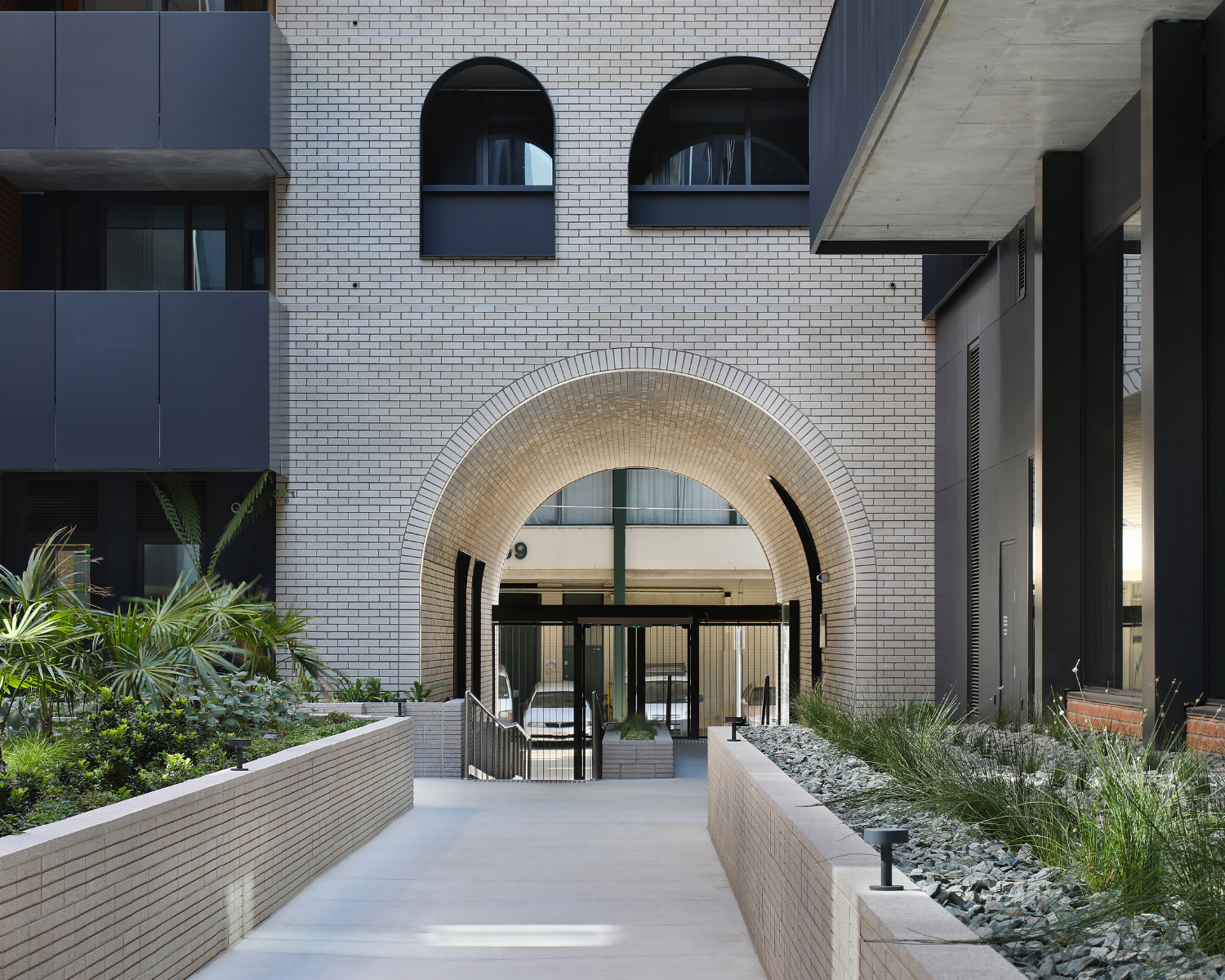
Local: Kensington is a good example. The project achieved Australia's first 6 Star Green Star Design Review rating for a build-to-rent development under the relevant Green Star tool. Its design is fully electric and includes a 200kW rooftop solar photovoltaic system, renewable electricity arrangements, water-efficient fixtures, drought-tolerant landscaping and rainwater capture for irrigation.
For a renter, the rating can also have an efficient impact on monthly bills. A building’s sustainability features can reduce wasted energy and water, while coordinated systems allow common areas and services to be operated as a whole. One organisation can monitor performance, maintain the equipment and plan improvements across the site.
Individually owned apartment buildings can also have good ratings. Owners corporations can install solar, improve waste systems, electrify equipment and upgrade common property. New traditional rentals can also be highly efficient and there are many coming onto the market across Melbourne. Meanwhile, an older apartment with modest shared infrastructure may consume fewer resources in some respects than a larger amenity-rich building.
There is no universal winner between build to rent and a traditional rental. Rents change by suburb, apartment size, building age, demand, view, parking, lease timing and a small army of other variables. A build-to-rent apartment may advertise at a premium to an older nearby unit, match a comparable new apartment or occasionally represent better value once inclusions are considered.
Start with the weekly rent, then compare the total cost of living in each home. What whitegoods are supplied? Is use of the gym, pool and coworking space included? Will you pay separately for parking, storage, internet, electricity, amenity bookings or pet-related services? Are there introductory incentives, and what will the rent be after the incentive ends?
At Local: Kensington, shared amenities are included in the rent, and apartments come with major whitegoods including a fridge, washing machine and dryer. Local has previously estimated potential savings by comparing its inclusions with external gym, pool, yoga and coworking memberships.
For example:
This example shows how to think about value, however, it’s not a promise that every resident will save the headline amount. You only save a gym membership if you would otherwise buy one and are happy using the onsite gym.
The same logic applies to working from home. A proper coworking space could replace a paid desk or make a smaller apartment more workable. For someone who travels to an office every day, it may be irrelevant. An electric car-share service could reduce the need to own a second car; it will not help someone whose work requires a vehicle every morning.
Traditional rentals offer their own value advantages. An older apartment without a cinema, pool or resident events may have a lower asking rent. A house may include a private backyard and garage instead of shared amenities. You may find an individually owned home in precisely the school zone, street or pocket you want, which can be worth more to you than a long facilities list.
Compare like with like wherever possible: similar location, bedroom count, internal size, condition and transport access. Calculate the cost after any rent-free period, then add services you would genuinely pay for elsewhere. Finally, leave room for the less measurable things such as convenient maintenance support, a longer available lease or the joy of not having to move a washing machine up another flight of stairs.
This is the burning question. Build to rent may suit you if you want a modern apartment, professional onsite management and a more consistent service model. It can be especially appealing if you value longer lease options, work-from-home space, health and social amenities, pet-friendly facilities or organised resident events. It may also suit renters who like the knowledge that the operator intends to keep the building as rental housing.
A traditional rental may be the better fit if you want a standalone house, a townhouse or a smaller block. It gives you access to a much wider range of Melbourne suburbs, streets, architectural styles and price points. If you do not want extensive shared amenities, or your priority is finding the lowest suitable rent among comparable homes, paying for a broader building experience may not make sense.
Do not choose by category alone, instead compare the actual homes and agreements in front of you. Inspect the apartment carefully, read the lease, test the commute. Also ask what is included, how repairs work and what happens when the initial term ends. Picture an ordinary Tuesday there, not just the tour with perfect lighting, you will work out if it’s the right place for you this way.
The best rental is the one that supports the life you are living and the budget you actually have. Build to rent gives Melbourne renters another option, but not automatically better, but meaningfully different in how the home is owned, managed and experienced.
Ready to see what that difference looks like in person? Explore Local's current Melbourne apartments and compare available homes, lease options and inclusions.








.webp)